Residential vs. Commercial Construction: What’s the Difference?
May 22, 2025
Construction may appear the same on the surface—after all, both residential and commercial projects require foundations, framing, and finishes. But the differences run deep. Whether you’re a homeowner planning your dream space or a business owner investing in a new facility, understanding these distinctions helps you set realistic expectations and choose the right partners.
Purpose and Use
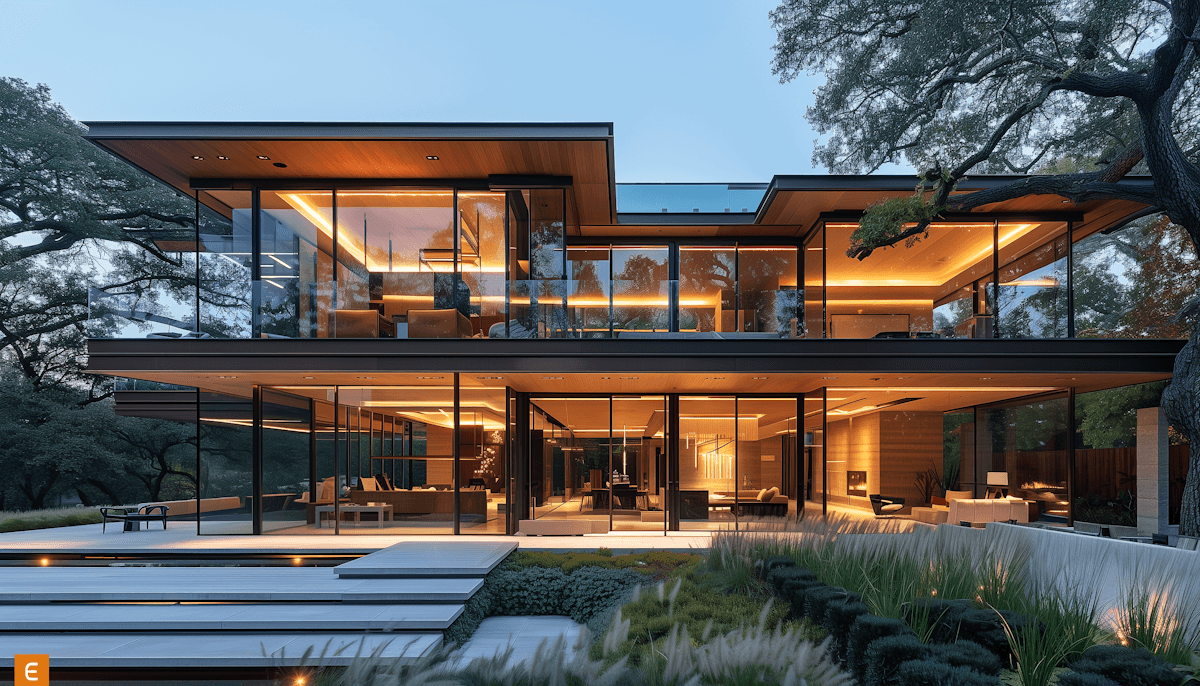
Residential buildings are designed for individuals and families. Comfort, aesthetics, and privacy are central. Commercial buildings, on the other hand, serve many users at once—retail customers, employees, patients, or tenants—making functionality and safety top priorities.
Codes and Compliance
Commercial projects are subject to stricter building codes. These may include accessibility standards (like ADA compliance), fire exits, HVAC regulations, and specialized zoning. Residential codes are generally more lenient and focused on occupant safety.
Design Process
Homeowners often work directly with an architect or builder to customize layouts and finishes. Commercial projects usually involve multiple stakeholders—owners, investors, engineers, and regulatory bodies—making collaboration more complex.
Materials and Systems
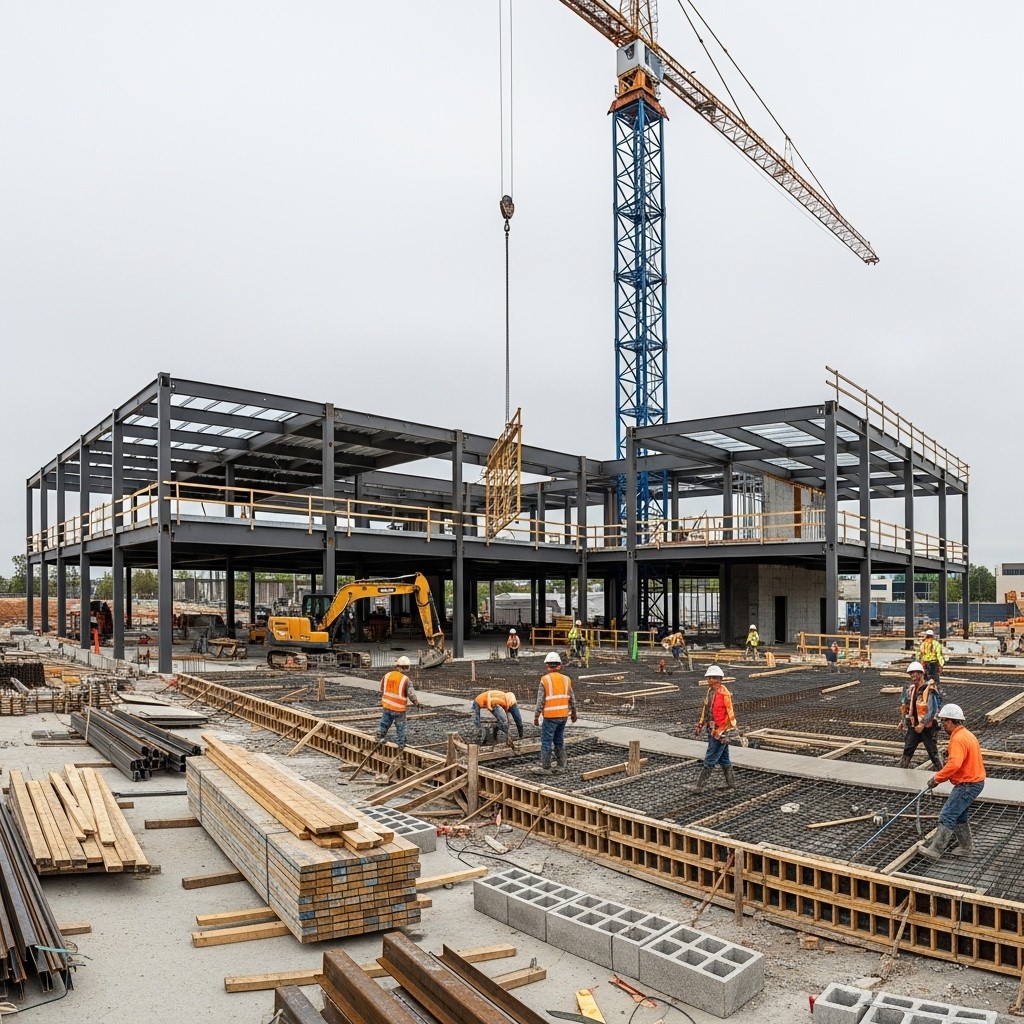
Residential projects favor wood framing, vinyl siding, and standard HVAC systems. Commercial construction often requires steel frames, fire-rated materials, energy-efficient HVAC systems, and data infrastructure.
Timeline and Budget
Because of their size and complexity, commercial projects have longer timelines and larger budgets. Scheduling also accounts for inspections at multiple stages. Residential builds are faster but can still face delays due to customization or weather.
Maintenance and Operations
Commercial buildings require ongoing maintenance contracts and sometimes facility management. Residential homeowners typically handle upkeep themselves unless they live in a managed community.
Conclusion
The differences between residential and commercial construction go far beyond size. From design and regulations to materials and operations, each has its own best practices. Understanding these distinctions allows you to plan better, avoid costly missteps, and hire the right professionals for the job—ensuring your project’s success from blueprint to final build.